

On Roots and Expansion: How to Grow Without Losing What Made You Worth Finding

Every hospitality brand faces a version of the same question eventually. Not "should we grow?" — the pressure toward growth is usually external and persistent — but "how do we grow without becoming something we would not recognise?"
It is a genuinely hard problem. The things that make a place worth visiting — its specificity, its character, the sense that someone with strong opinions made every decision — are often the products of constraint. A single location. A founding team that has known each other for years. A chef who has sourced from the same farms since the beginning. Scale introduces variables that can quietly dilute each of these.
Two answers from the industry
Andrew Zobler, founder and CEO of the Sydell Group (whose portfolio includes Nomad, The Line, and Freehand), is thoughtful about this. His company was acquired by Hilton in 2024, and yet his approach to culture transfer is resolutely human: send people. When Nomad Singapore opens, he will send employees from London to transfer the culture in person. He will be there himself to immerse new staff in the history and intent of the brand. "We don't believe in scripting people," he says.
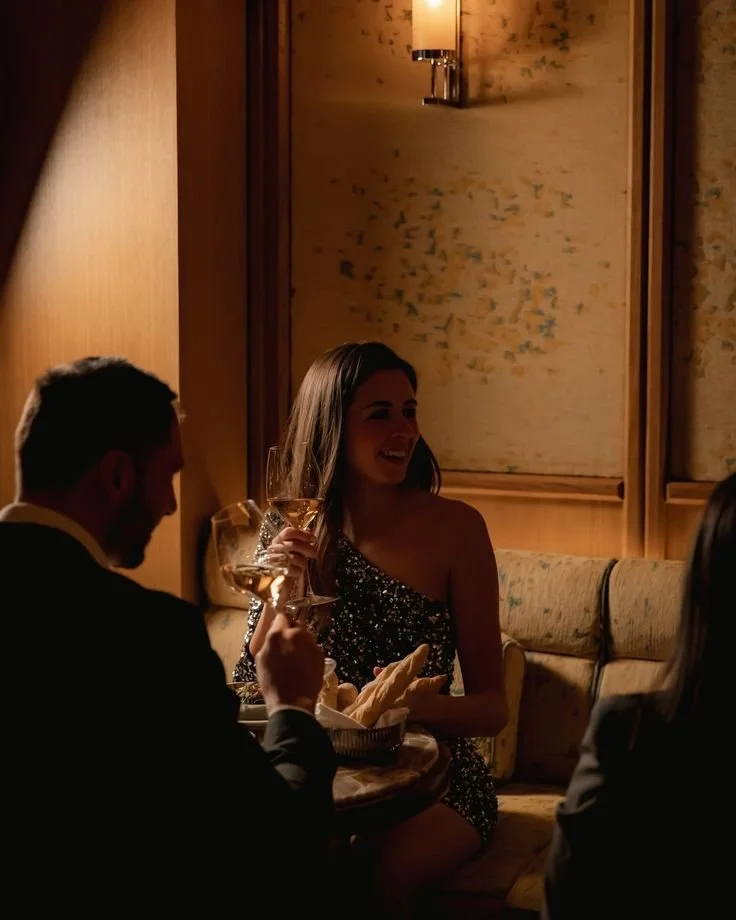
Pablo Carrington, founder of Marugal, takes the harder line: resist the pull toward universality entirely. "The big mistake is trying to be everything for everybody. That's when you end up losing your concept. We have a very clear idea of what we are." Marugal does not try to appeal broadly. It deepens its own identity instead.
And one answer about renovation
Stephan Bösch, managing director of Brenners Park-Hotel & Spa in Baden-Baden, approaches the same problem through restoration. "The danger of renewing everything is that you erase the soul that makes a place special, something that takes generations to grow." In the fireplace room, every piece of furniture still sits exactly where it always has. The renovation worked around that.
"The big mistake is trying to be everything for everybody. That's when you end up losing your concept." — Pablo Carrington
What this means for WHISK
WHISK operates between San Francisco and the French Basque coast. These are not arbitrary locations — they reflect a specific point of view about how to live, eat, gather, and move through the world. As we develop the studio's work, we hold onto that specificity deliberately. Our clients come to us because of what we are, not despite it.
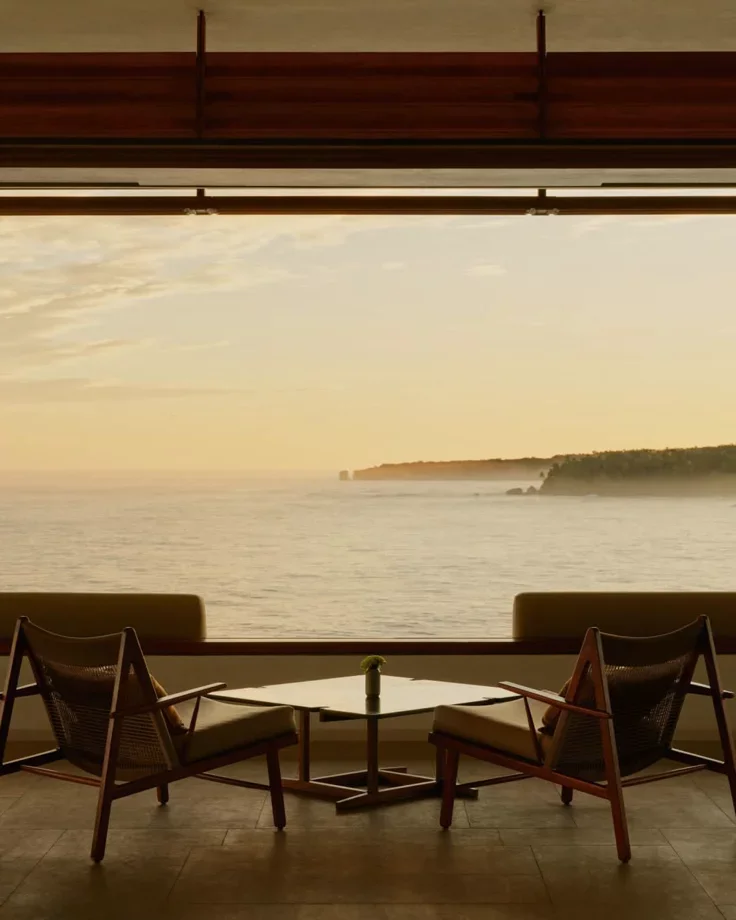
Growth, for us, looks like depth before breadth: new collaborators who understand the sensibility, new projects that extend it rather than dilute it, new contexts that test and sharpen our point of view. The goal is to still be recognisable — still be worth finding — ten years from now.