

Don't Impress. Amaze. (The Quiet Art of Getting the Details Right.)

The word "luxury" has become almost unusable. It has been applied to so many things — mattresses, airport lounges, candles, breakfast cereals — that it no longer points at anything specific. What it once tried to capture was a feeling: that something had been made with unusual care, that it exceeded expectation not by being larger or louder but by being more considered.
Teyssier has a word he prefers: amazement. And he is careful about what he means. "It has nothing to do with grandeur, ostentatious luxury or spectacular performances," he says. "It's about touching, not dazzling."
The distinction matters. Dazzling is easy to engineer. You build the infinity pool, install the statement chandelier, hire a name chef. The guest is impressed. They photograph it. They may not remember it with particular warmth six months later, because what was spectacular was designed to be impressive, not to be felt.
What Jeremy King understands about design
Jeremy King — the founder behind some of London's most enduring restaurants — reaches the same conclusion from a different direction. His design principle: "Great design should never shout for attention but should withstand scrutiny." His shorthand for its opposite is TTH — trying too hard.
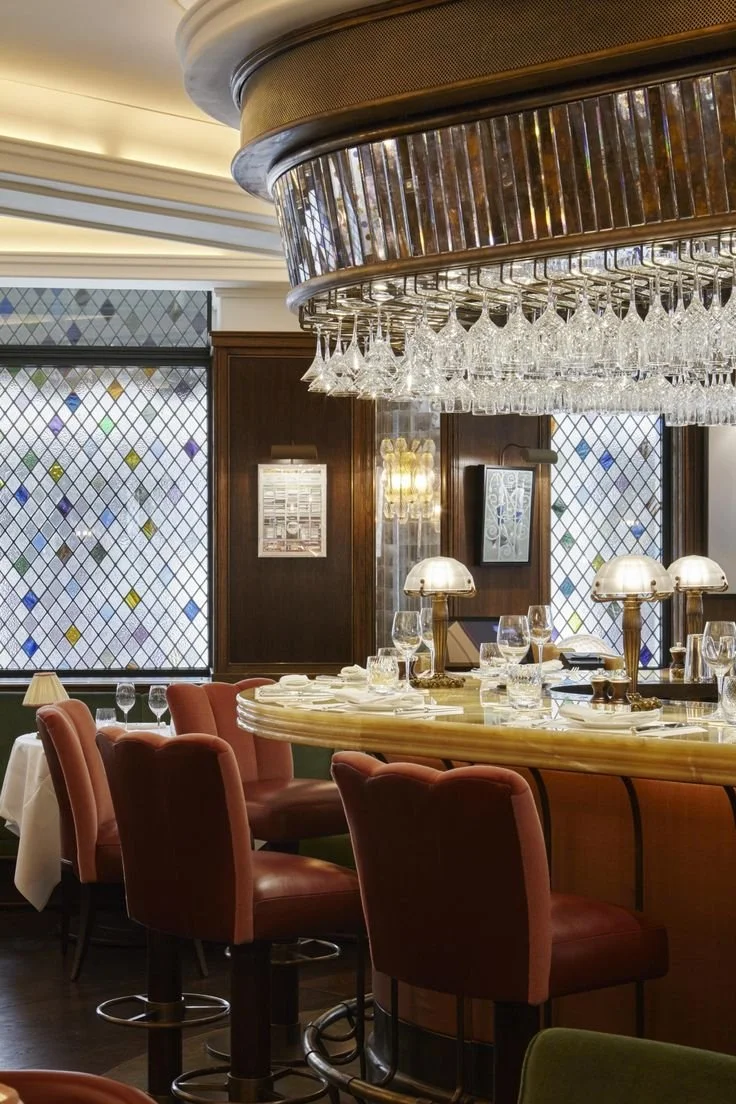
Restraint, King argues, is where authority comes from. The room that does not insist on being noticed is the one you find yourself still thinking about. The detail you almost missed. The thing that was right but did not announce itself.
The WHISK version of this
We think about this in practical terms. A welcome that feels genuinely warm rather than scripted. A table arrangement that creates intimacy without crowding. A menu that has a point of view without being precious about it. The flowers that are beautiful but not performative. The lighting that does not look lit.
None of these details are the main event, and that is exactly the point. The main event is how a guest feels at the end of an evening — the sense that they were somewhere real, that care was taken, that it was arranged for them without their having to notice the arrangement.
"Amazement is a subtle art. It's about touching, not dazzling." — Thierry Teyssier
The goal is to be thought of, later, with affection. Not with awe. Those are different things, and only one of them brings people back.