

The Rigidity Problem: Why Hospitality Needs to Stop Running on Rules

There is a certain kind of hotel stay — perhaps you know it — where everything is technically correct and nothing quite feels right. The room is pristine. The staff are polished. Check-in is at 16:00 and check-out at 11:00, and both happen with a precision that would satisfy an airport. You leave having been accommodated. You were never, quite, welcomed.
French hotelier Thierry Teyssier has spent over two decades thinking about the distance between those two things. The founder of Dar Ahlam in Morocco — a 14-suite property he has run for nearly 25 years — recently put it bluntly: "Why should a room only be accessible from 16:00?" It reads like a small complaint. It is actually a diagnosis.
Hospitality, as it is widely practiced, has calcified into a system of rules dressed up as standards. Check-in windows. Menus that rotate on a fixed cycle. Welcome drinks served at a specific hour. Each of these conventions exists for a reason — operational efficiency, labor scheduling, inventory control — but somewhere along the way the guest stopped being the point.
What WHISK thinks about this
At WHISK, we design experiences for people who have already stayed in the technically correct hotels. Our clients are not looking for another frictionless transaction. They are looking for something that feels like it was made with them in mind — a gathering that begins when they arrive, not when the event sheet says it begins.
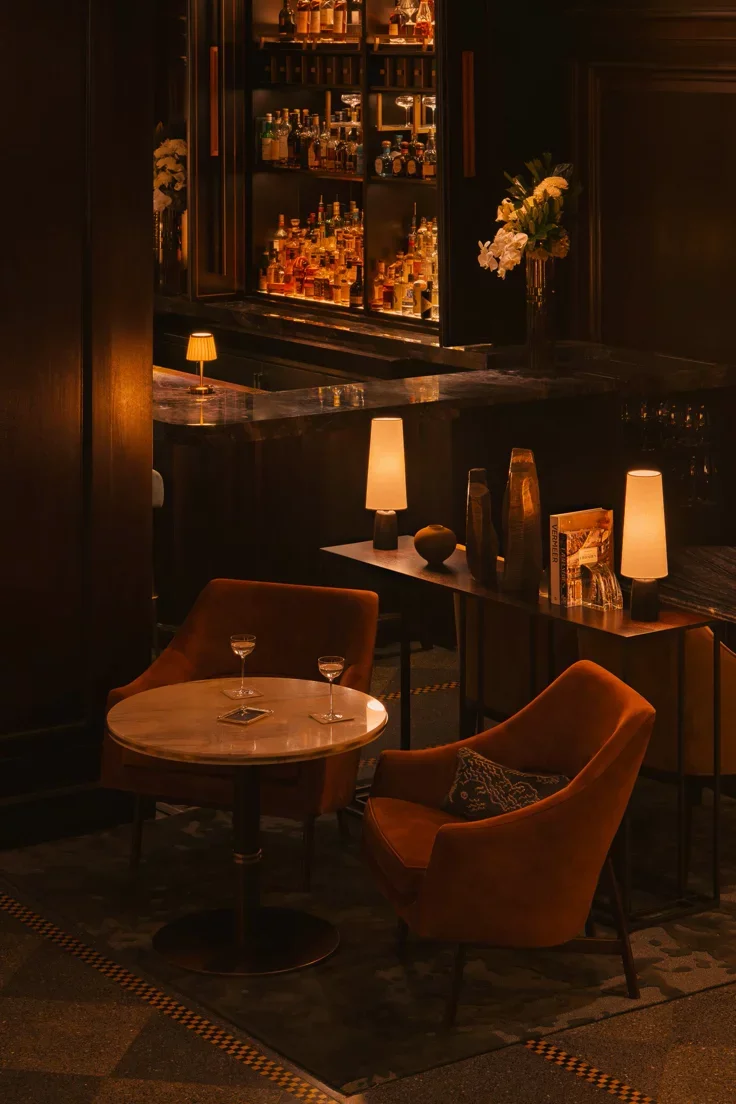
The spaces we design, the menus we build, the rhythms we suggest — none of them are accidental. But the ones we are proudest of are the ones that felt, to the people inside them, like they could exhale. Like the evening had been arranged for them, not at them.
"Hospitality should embrace otherness." — Thierry Teyssier
That is not a soft or decorative goal. It requires deliberate design: thinking through where the friction is, which rules are load-bearing and which are simply habit, what flexibility looks like in a kitchen, in a floor plan, in a timeline.
In the posts that follow, we'll go deeper on exactly this — from the specifics of design and place to the quieter questions of scale, loyalty, and what it means to build something that lasts.