

A Room Is Not a Product. (On Place, Soul, and Why Context Is Everything.)
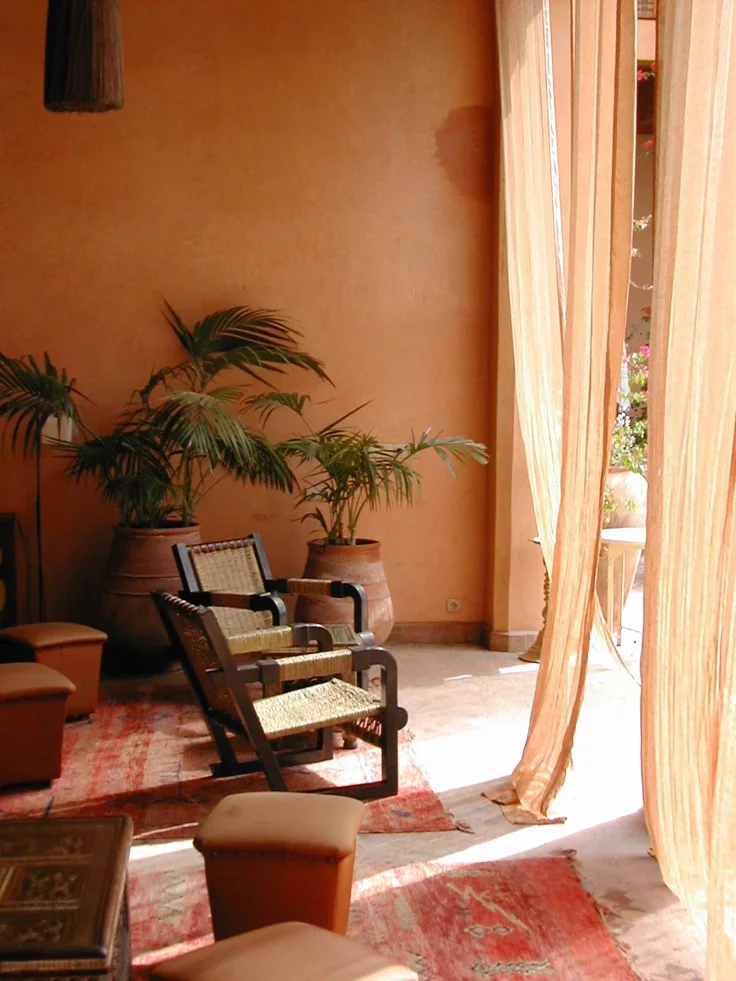
There is a lobby in Miami that looks like a foyer in Casablanca. There is a room in Bangkok that could have been transplanted from New York. This is Thierry Teyssier's observation, not ours, and it stings precisely because it is accurate. Somewhere in the globalisation of hospitality — the proliferation of design hotels with their warm concrete and pendant lighting and curated bookshelves — the specific got traded away for the reliably appealing.
Teyssier calls it a failure of dialogue. "Hospitality should feel like a silent conversation between place and guest," he says. A room in Marrakech should be in conversation with Marrakech — not in spite of its constraints, but through them. The light at a particular hour. The materials that survive that climate. The courtyard logic that makes sense there and nowhere else.
The cliché trap
This is harder than it sounds. Toni Hinterstoisser, international president of Trunk Hotels, has thought carefully about the same problem in a Japanese context. His properties, created by Tokyoites, consciously avoid the symbolic shorthand — shoji doors, tatami floors — that signal "Japanese" to an international audience. The goal is not to perform a culture but to embody it, from the inside.
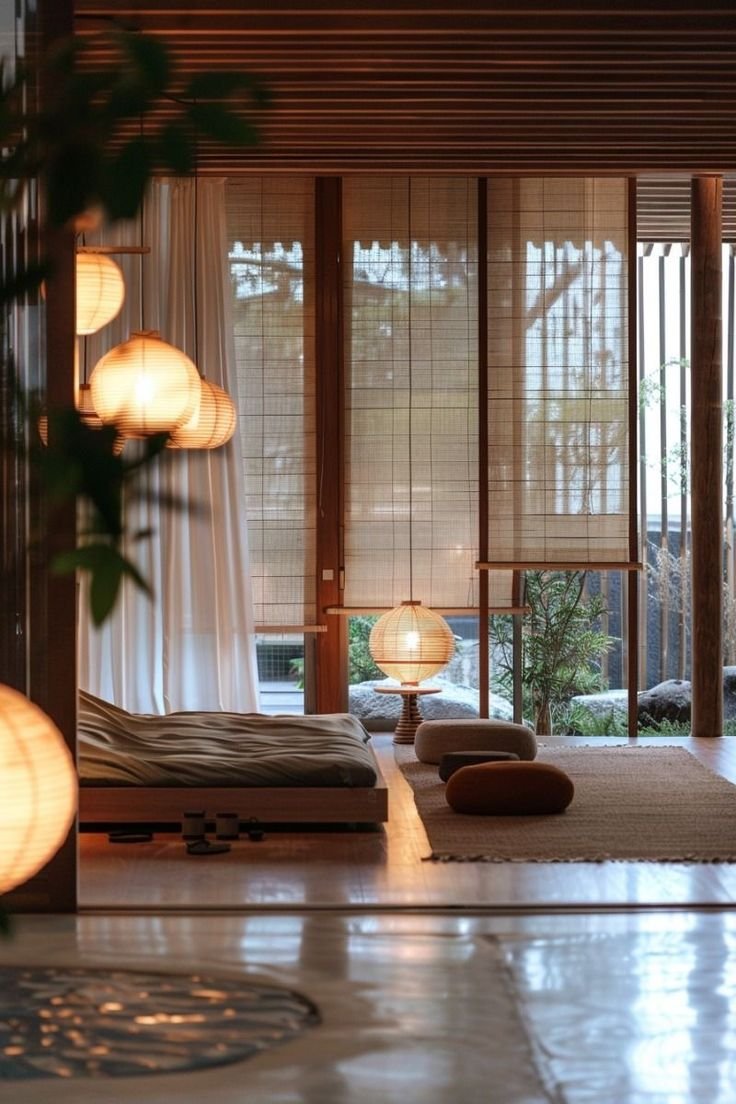
The lesson translates far beyond hotels. Any space that is assembled from a mood board of cultural signals — lanterns because Provence, terracotta because Basque, linen because slow living — risks becoming décor rather than place. The signals are present; the conversation is absent.
What WHISK brings to this
The experiences we design at WHISK are often deeply site-specific. When we work on the French Basque coast, we are not applying a "Basque aesthetic" from a distance. We are working with the actual landscape, the actual producers, the actual light in October. The menu is sourced locally not because localism is a value to be performed but because those ingredients tell the truth about where you are.

When we work in San Francisco, the same principle applies differently. The city has its own vocabulary — the bay, the fog, the particular informality of California that coexists with genuine sophistication. Our job is to listen to that and design with it, not over it.
"A room in Bangkok could be mistaken for one in New York. Hospitality should feel like a dialogue." — Thierry Teyssier
Place is not a backdrop. It is, when done well, the experience itself — the thing guests carry home and cannot fully explain to people who were not there. We think that is worth designing for.