

Why Experiential Marketing Is the New Standard for Corporate Events
For decades, the corporate event playbook barely changed: book a ballroom, rent a stage, hand out lanyards, and hope people remember the keynote. That model is fading fast. Companies are replacing generic conference formats with experiential marketing — live, immersive brand experiences designed to be felt, not just attended.

The shift isn't cosmetic. It's a response to how people actually engage with brands today. Audiences are saturated with digital ads and passive content; they remember what they participate in. For corporate events specifically — product launches, client dinners, employee offsites, brand activations — that means the event itself has to do something, not just host something.
Why Experiential Marketing Is Winning Budget
The numbers back up the shift. More than half of companies plan to increase experiential marketing investment through 2026, and a large majority of Fortune 1000 marketers expect to grow their experiential budgets this year. That's not a trend chasing novelty — it's a response to performance. Experiential campaigns consistently outperform traditional marketing channels on engagement and conversion, and in-person event attendance preference has climbed sharply over the past few years as audiences push back against screen fatigue.
For a corporate event specifically, that translates into a simple reality: the companies getting the most value from their events aren't the ones with the biggest AV budget. They're the ones designing an experience someone wants to be part of.
What Makes a Corporate Event "Experiential"
Experiential marketing isn't a single tactic — it's a design philosophy. A few principles separate a corporate event that people remember from one that blurs into every other conference they've attended:
It's built around participation, not presentation. Instead of a stage and an audience, the best corporate events invite guests to shape the experience — through interactive installations, hands-on activities, or collaborative moments that make the event feel co-created rather than delivered to them.
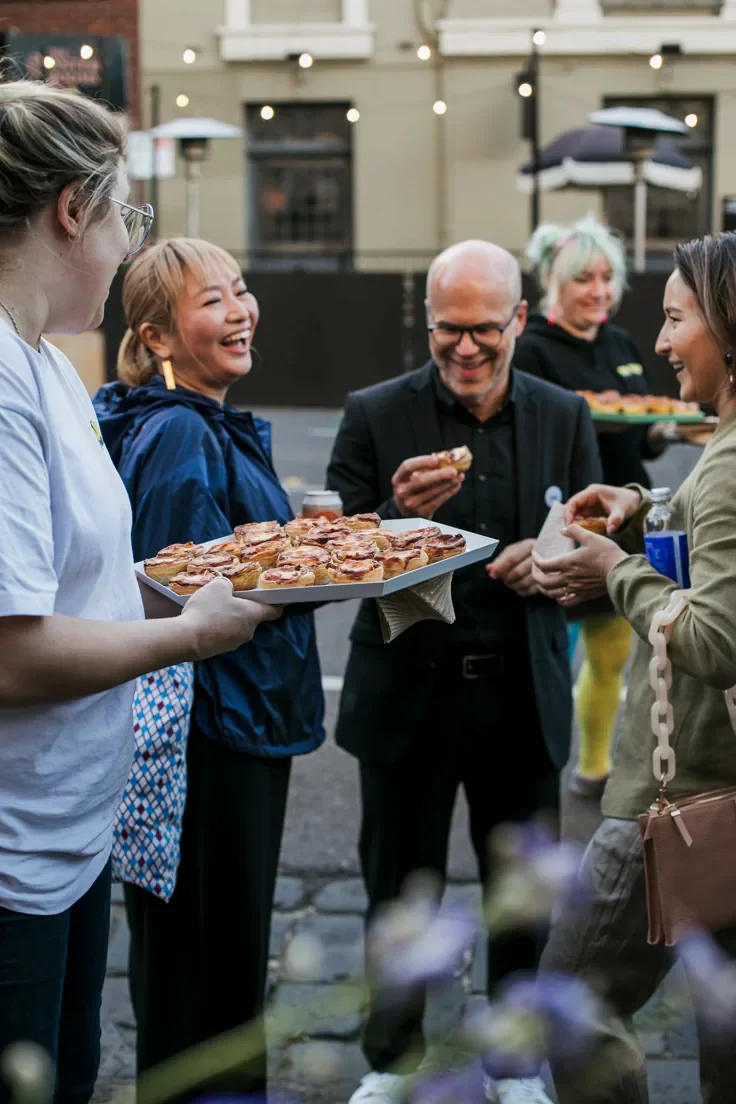
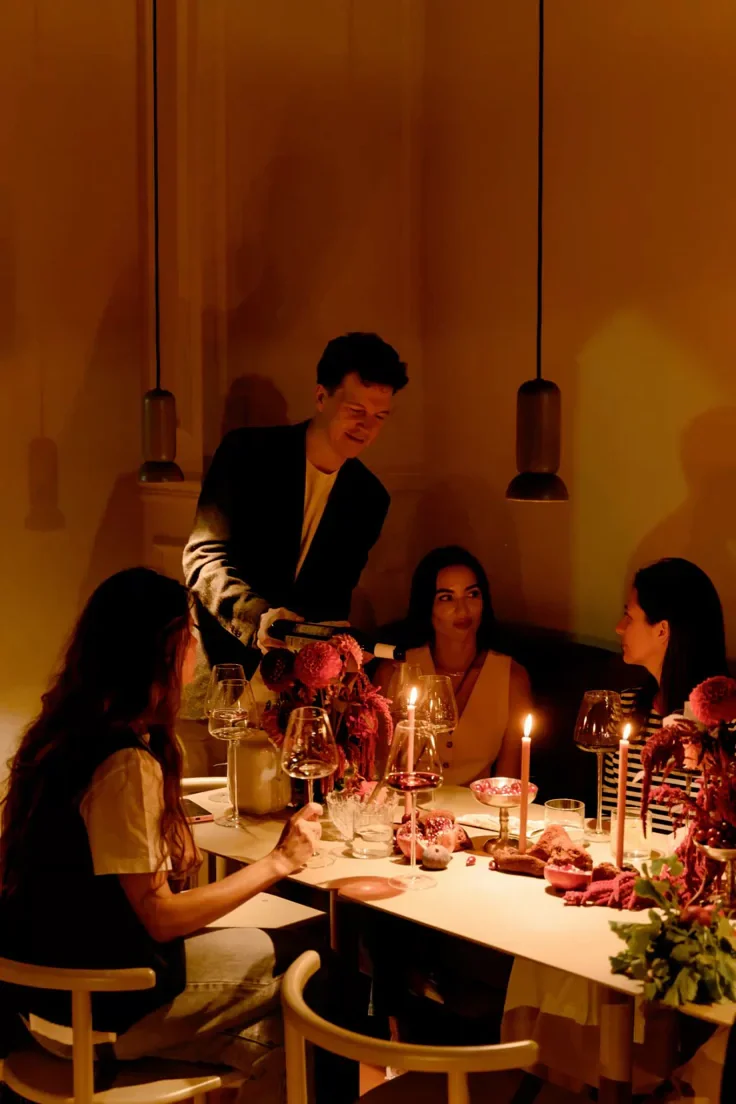
It treats hospitality as strategy, not garnish. Food, environment, and pacing aren't logistics to check off — they're part of the brand story. A dinner, a space, or a welcome sequence designed with the same intention as the messaging is what makes an event feel considered rather than assembled.
It's scaled to intimacy, not size. The biggest shift in corporate events right now is away from the mega-conference and toward smaller, highly considered gatherings — a curated client dinner, a founder-led salon, a regional activation — that build real relationships instead of chasing attendance numbers.
It measures the right things. Attendance and impressions are giving way to dwell time, engagement quality, and what guests do after the event — the signals that actually connect an experience to business outcomes.
The Business Case for Experiential Corporate Events
Skeptics still ask whether an immersive event is worth it compared to a standard conference or a digital campaign. The data increasingly says yes: experiential campaigns tend to deliver a markedly higher return than traditional advertising, largely because they create the kind of emotional connection and word-of-mouth that a banner ad or a webinar simply can't. For B2B and corporate contexts specifically, well-designed events now regularly hit strong registration and ROI benchmarks — and the gap between "we hosted an event" and "we can prove it worked" is closing as measurement matures.
There's also a brand equity argument that doesn't show up on a spreadsheet. A corporate event is often the only time a client, partner, or top employee experiences your brand in three dimensions. Done well, it becomes a story they tell — which is marketing no media buy can replicate.
Designing a Corporate Event That Works as Experiential Marketing
A few practical questions to ask before the next offsite, launch, or client gathering:
Who is this actually for, and what do we want them to feel — not just know — by the end of it? What is the one moment guests will talk about afterward, and is it designed on purpose or left to chance? Where does hospitality (the room, the food, the pacing) reinforce the brand rather than sit apart from it? And what will we track afterward that tells us whether it worked?

These questions are exactly where a dedicated experiential marketing studio earns its keep — turning a corporate event from a logistics exercise into a strategic brand moment, from concept through execution.
The Bottom Line
Experiential marketing has moved from a nice-to-have to the expected standard for corporate events, because it's the format that matches how people actually form brand loyalty: through experience, not exposure. Companies that treat their next corporate event as a designed brand experience — rather than a logistics checklist — are the ones seeing it pay off in relationships, retention, and revenue.
Sources referenced for stats: ATN Event Staffing, Farias, Bizzabo, Vendelux, and Seeker.io 2026 experiential/event marketing statistics roundups.