
The Guest Who Comes Back: On Loyalty, Recognition, and the Long Game

There is a family from New York that has stayed in the same suite at Le Bristol Paris for 25 years. When the hotel renovated the suite, Luca Allegri — president and managing director — approached them during the process, shared the architectural plans, and designed the layout of the room together with them. They changed the placement of the bed.
This is a small story about an extraordinary thing: a hotel that understood that a 25-year guest is not a statistic to be retained but a relationship to be honoured. Thirty to thirty-five percent of Le Bristol's clientele are returning guests. Allegri's approach to them is direct: their future stays should feel as important as their past ones.
The economics of loyalty
Loyalty is, among other things, an economic argument. Returning guests cost less to acquire, book more readily, and tend to be more forgiving of the inevitable imperfections that arise in complex operations. They also bring people. The family from New York has almost certainly brought other people to Le Bristol. That is the compounding effect of recognition.
But the Le Bristol story is interesting precisely because it is not primarily an economic story. It is a story about what it feels like to be known. To walk into a place and have your preferences remembered, your return anticipated, your relationship with the space treated as something real. That feeling — of being known — is among the most powerful things hospitality can produce.
What the community wants
Prisca Llagostera — founder of boutique properties in Andorra and beyond — makes a related point from the other direction. Before opening, she spends time in each area quietly: observing, absorbing, talking to people. "You must listen to what the community wants. When you open your hotels you will have the community backing you."
Community loyalty and guest loyalty are versions of the same thing. Both are earned slowly, by paying attention. Both are lost quickly, by stopping.
How WHISK thinks about lasting
The experiences WHISK designs are, by nature, one-time events. A wedding, a corporate gathering, a private dinner. But the relationships that come from them are not one-time. We work with clients who come back — not because they have to, but because what they experienced felt considered and specific and real.
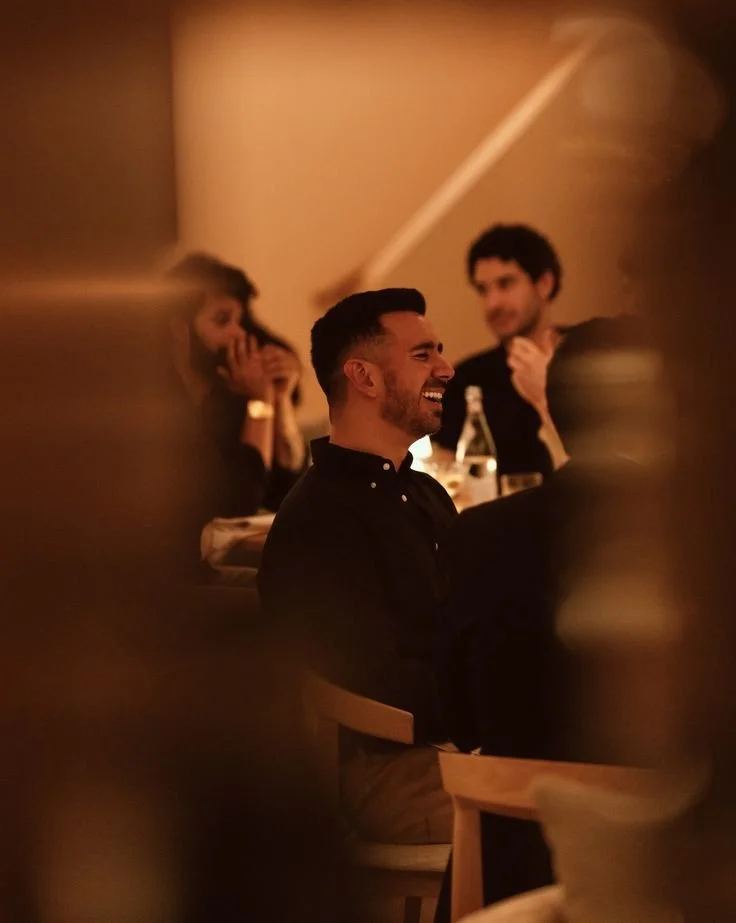
The goal, in every project, is to make something worth remembering. Not just in the immediate sense — the evening that went well, the photographs that turned out beautifully — but in the slower sense. The kind of thing that, years from now, the people in that room will still bring up.
"We want to show them that their future stays are as important as their past stays." — Luca Allegri, Le Bristol
That is the long game. We think it is the only game worth playing.